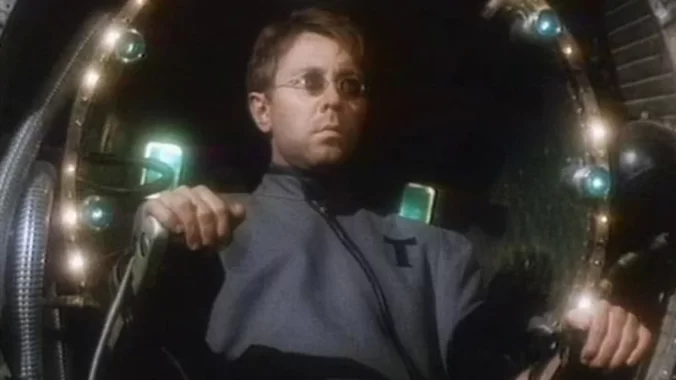
Near the end of his novel, The End of Eternity, Isaac Asimov has a few things to tell us about the use of automation and robots that bears interestingly on our use of AI today. Asimov wrote the book in the 1950s, during an earlier wave of automation. He had no specific knowledge of LLMs, of course. But in reading it, I felt as though the Good Doctor reached into our future.
Category: Books (Page 3 of 28)
These are posts about books from the blog Base and Superstructure. Occasionally I’ll read a book worth talking about, and write some thoughts on it. These cover a wide range of topics from the blog.
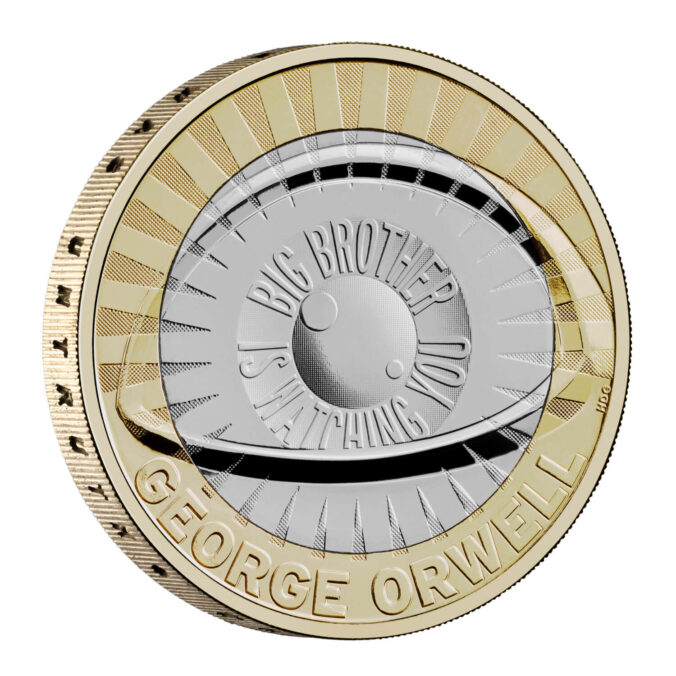
I’ve hit a flurry of interest in George Orwell in the last 6 months. My partner and I read a book of essays on Orwell by Rebecca Solnit – Orwell’s Roses – and then we watched a film on him at a local film festival.
In that spirit, I bought a book of short Orwell essays. In those essays, his criticisms of the left – written in the early 1940s, during World War II! – sparked my interest. I found the criticisms still relevant today, but relevant to a different group.
Let’s take a moment to look into this.
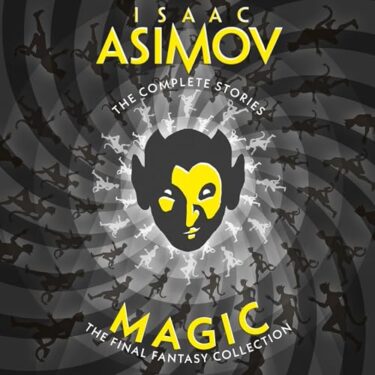
It’s exciting to begin the new year with a new reading list! And, of course, there’s always more to read. Here’s how I’m starting my 2026.
Let me know what you’re reading these days.
Continue reading
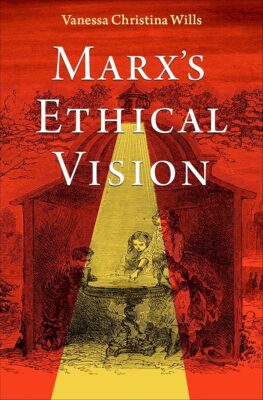
Many authors to try explain Marx to puzzled readers. Vanessa Christina Wills’s Marx’s Ethical Vision is one of the best books on the topic.
Wills takes a cluster of ideas – the ethical content of Marx’s philosophy – and draws out these themes over the course of his career. Other Marx books I highly recommend – such as David’s Harvey’s commentaries on Capital – tend to focus on a deep reading of a specific text.
I think Wills’s project is more difficult to pull off. But she does it remarkably well.
Let’s take a look at Marx’s Ethical Vision.
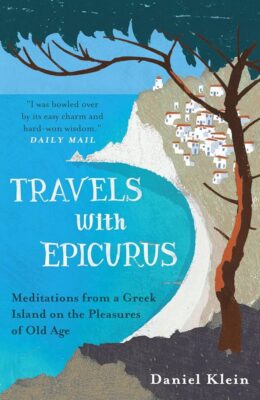
And so, we’ve hit the end of the year. This is our final reading list for 2025!
Read on to see what I’ve been reading at the end of 2025. And, as always, let me know what you think and what you’re reading as we wrap up the year and head into 2026.
