Alienation, autonomy, and ideology

Category: Philosophy (Page 10 of 11)

These are posts on philosophy from the blog Base and Superstructure. My background is in academia, with a specific focus on feminism, philosophical issues in the social sciences, and social and political philosophy. I have also done work on historical figures such as J. L. Austin and Ludwig Wittgenstein. These posts incorporate some or all of these issues. The influences may be more or less explicit, depending on the topic. Philosophy can be intimidating, and so these posts present issues in a way that’s open to many people. There is also discussion of specific philosophical issues, and specific issues from a philosophical perspective, such as feminist accounts of pornography, Marxist and socialist accounts of the state and political economy, and the search for the best explanations for social and material phenomena.

How Does Our Work Shape Us?

I read an in-depth and at times terrifying account of how moderating Facebook posts impacts staff. The Verge published it some time ago, and in fact I read it some time ago. Apparently Facebook moderation is an endless wall of hate speech, graphic porn, threats of violence, depictions of violence, etc. And people spend hours at a time wading through the stuff. It’s enough to give anyone panic attacks and nightmares.

I don’t have any stories like that, though I’ve had the kind of chronic career stress grad school in the humanities often produces. And we’re at a unique historical juncture when it comes to issues of jobs and career.

How about you? How does your work shape you?
The Targets of Propaganda

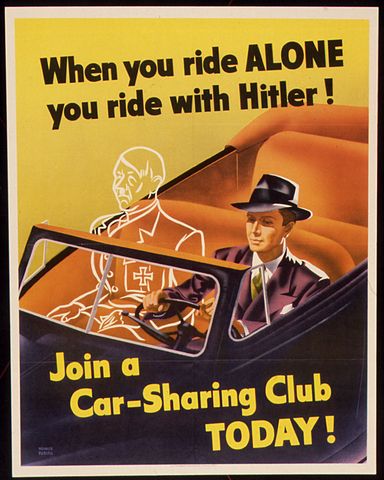
Lots of people in the US have the idea that there’s something vaguely 1930s about our current politics. And not only in the US, but across much of the world. Mostly these conversations revolve around the potential re-emergence of fascism. But another component is the uses and abuses of propaganda in the Internet age. Democrats, including Hillary Clinton herself in her recent book What Happened, are particularly interested in the idea that Russia funds right-wing propaganda to influence politics in the US and elsewhere.

Is there anything to this?

I’ve never published any articles on propaganda, though I’ve developed material on it over the years. And I’ve delivered a few presentations. Mostly notably at the Iowa Lyceum, a summer program on philosophy and critical thinking for pre-college students.

What stands out to me most about propaganda, and what most people misunderstand about it, is the issue of who it targets. You can learn a lot about propaganda by discerning its audience. And so, I’ll say a bit about that.

Continue reading

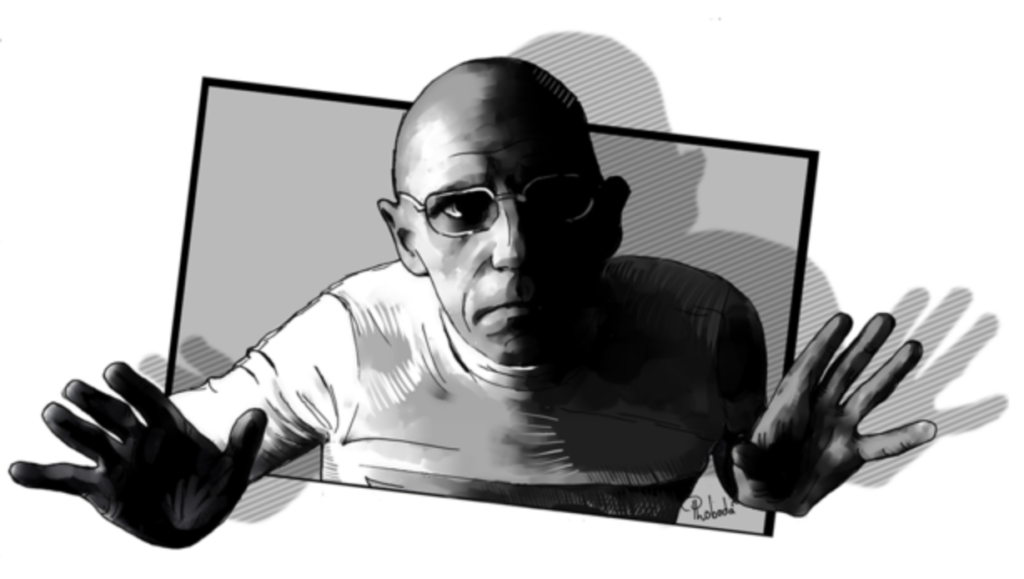
Chomsky-Foucault Debate: Live from 1971

chomsky-foucault debate

Source: Wikimedia Commons (https://commons.wikimedia.org/wiki/File:Foucalt.png)

Noam Chomsky and Michel Foucault sat down for a debate in the early 1970s. You can watch the whole thing here. The transcript, along with some related essays from both Chomsky and Foucault, is available to buy as a book. It’s known as the Chomsky-Foucault debate.

I wasn’t new to either Chomsky or Foucault when I watched and read the Chomsky-Foucault debate. And the short debate format has its clear limits. But I did come away with a few impressions and lessons learned.

I’ll lay those out.

Continue reading

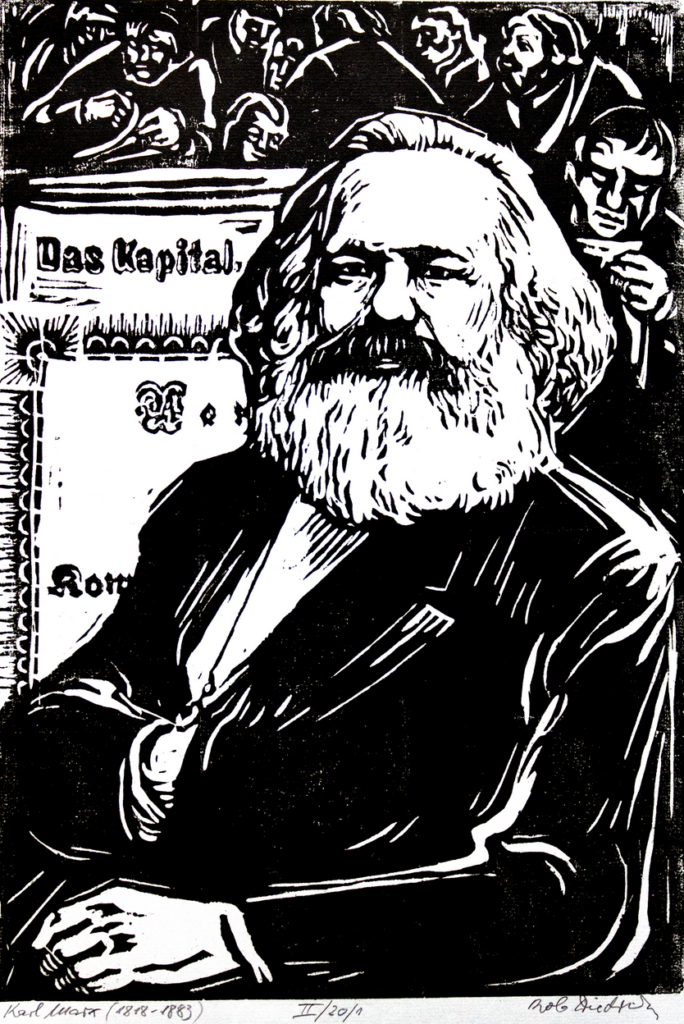
5 Tips for Reading Marx’s Capital

Capital Marx

So you’ve bought Volume 1 of Marx’s Capital, or you’re thinking about buying it?

Good for you! It’s a fantastic book, and you should read it! Capital is worthwhile for its historical significance alone, both to politics in the last 150 years and to philosophical and intellectual developments. But it’s also a highly relevant book to our current times. Particularly in an era of neoliberal or financialized capitalism, where many of the conditions Marx wrote about resurface.

Personally, I would’ve liked a bit more guidance when I started reading. I fumbled around quite a bit, and it took me awhile to understand what Marx was doing in the text.

What I lacked, may you have!

Continue reading

Leaving Academia: A Guide

leaving academia

Source: Dnalor 01 (https://de.wikipedia.org/wiki/Benutzer:Dnalor_01)

Some of you probably know I have some experience with leaving academia. It’s a gradual process. I started having doubts about an academic career around 2010 or 2011. When I went on the job market in 2011 and 2012, I searched both academic and non-academic jobs.

I landed a non-academic job in early 2013. For a few years, I taught-part time as a Visiting Assistant Professor while working a non-academic job. My last paycheck from a university was in January 2016, and my most recent academic publication (which I’ve summarized) was in the summer of 2016.

So that’s my basic leaving academia narrative. I’ve also done a couple of interviews.

Continue reading

« Older posts Newer posts »