Base and Superstructure

Alienation, autonomy, and ideology

Page 130 of 133

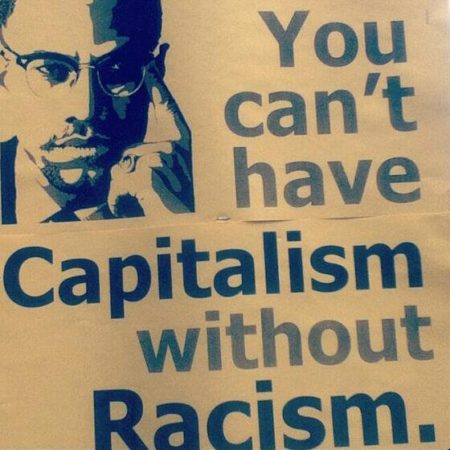
Capitalism and Racism: Which is Prior?

Marxists, other leftists, and/or antiracists have argued for decades about the relative importance of capitalism and racism. They’ve framed the issue in different ways. Some people discuss which system exerts the greatest force on society. Others discuss which system offers the more fundamental social explanation. Some people talk about which one came first, historically. And still others ask which we should address first in our leftist movements.

Not only that, but approaches aren’t even mutually exclusive.

You might ask: what’s the difference between these frames? If so, that’s unfortunate, because they are different. It’s possible to argue, for example, that racism (or capitalism) came first historically, but that capitalism (or racism) explains more or should be addressed first.

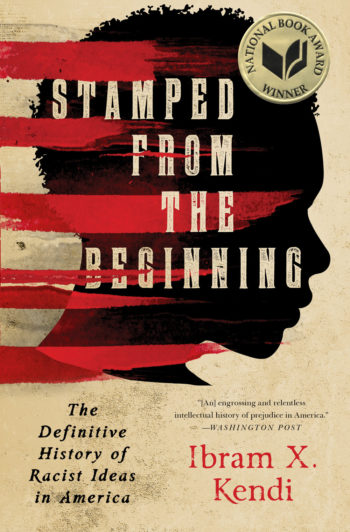
And so, I’m going to sort out some of these issues in this post. I’ll use Ibram X. Kendi’s book Stamped from the Beginning: The Definitive History of Racist Ideas in America as a reference point.

Continue reading

Stamped from the Beginning

stamped from the beginning

Ibram X. Kendi is Professor of History and International Relations and Director of the Antiracist Research and Policy Center at American University in Washington, D. C. Most of his work covers 20th century racial justice movements, from the student activism of the 1960s to current activism. He’s the author of the recent book Stamped from the Beginning: The Definitive History of Racist Ideas in America.

Stamped from the Beginning is rather sweeping and ambitious. Kendi places the entire five or six century history of racist thought into a consistent historical narrative. He also takes steps toward assessing the relative importance of racist ideas to American life. The project is historical, sociological, political, and philosophical.

Continue reading

College Students and Local Elections

College students turned out in droves to vote for Bernie Sanders. Among voters under the age of 30, Sanders won about as many primary votes as Hillary Clinton, Donald Trump, and Ted Cruz combined.

‘Under 30’ and ‘college student’ aren’t the same group. Some college students are over 30, and many people under 30 aren’t college students. But there’s a lot of overlap. We also know that voters, as a group, have a higher socioeconomic status than non-voters. It stands to reason, then, that college students make up a healthy portion of the under 30 vote.

My own Iowa caucus site sits on a college campus. While the site covers both student and non-student neighborhoods, it overflowed with Sanders supporters. He won 77% to Clinton’s 23%. Nothing was more obvious than the age difference between the two camps. And, despite attempts to label Sanders a candidate for only white people, he carried the under 30 vote nationally across all racial groups.

Local elections are a different story. Turnout is low among basically all ages everywhere across the country. But it’s really low among young voters.

Given the facts about who votes, you’d expect turnout to be very low among young people who don’t go to college and relatively higher among those who do. And turnout is low among those who don’t go to college, in both national and local elections. College students, though, don’t behave quite as expected. They do often vote in national elections but don’t vote in local elections.

Why is that?

Continue reading

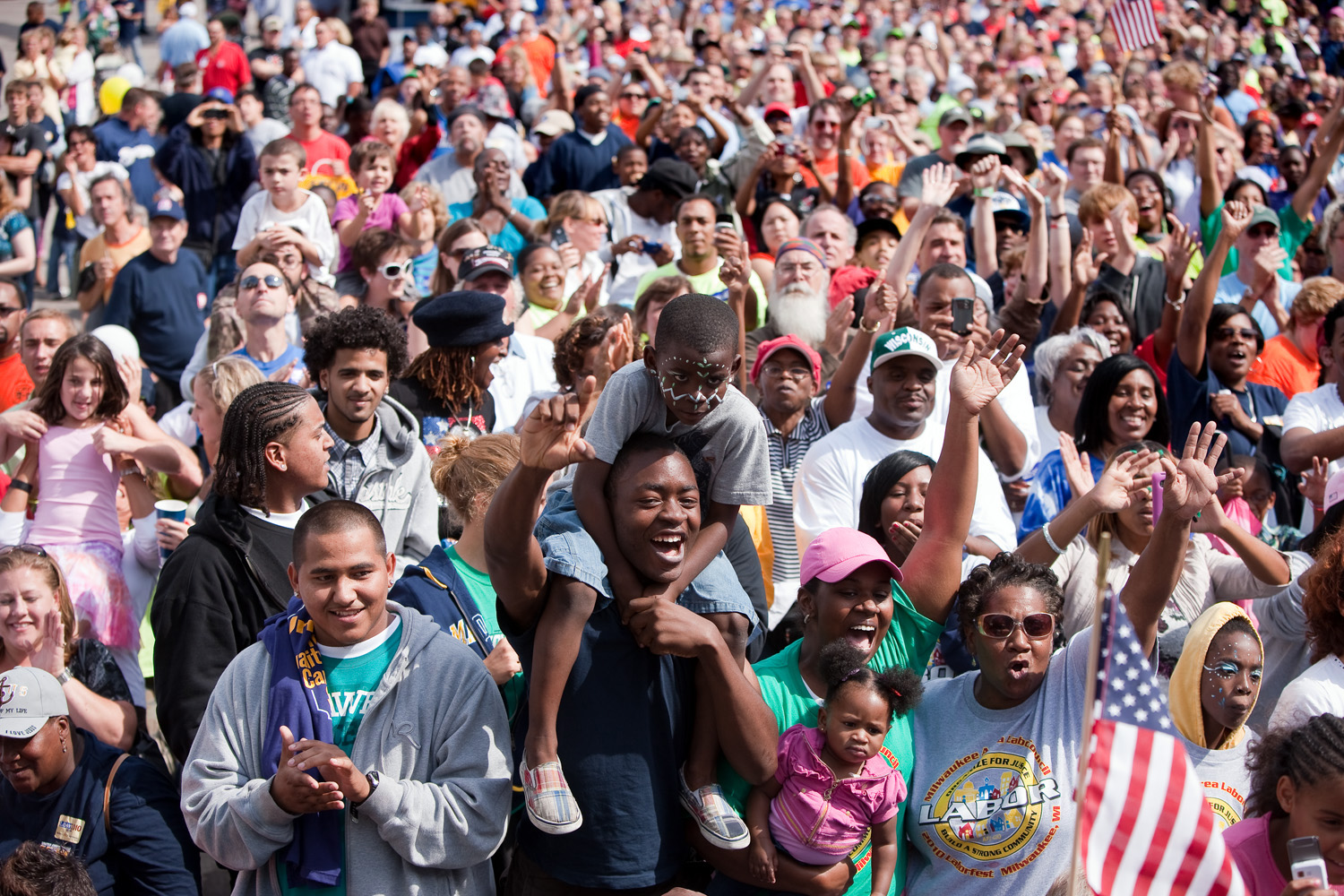
Why is Labor Day in September?

labor day

Source: https://obamawhitehouse.archives.gov/blog/2010/09/06/president-obama-labor-day-fight-americas-workers-continues

Let’s say you don’t live in the United States or Canada. You’re probably confused that we celebrate Labor Day in September. Even Americans might not know this is unusual.

Most countries celebrate International Workers’ Day on May 1. And for most people, this is a holiday of the radical left. By contrast, most people see Labor Day as a holiday for center-left labor movements. International Workers’ Day is broadly international, while Labor Day is mostly American and Canadian.

That’s close, though not exactly right. For one, both holidays come from the US. Specifically, from the US in the 1880s. We know the September Labor Day date came first, but there’s disagreement over the details. What we know pretty well is that someone from the Knights of Labor established it in 1882. And the US made it a federal holiday in 1894.

But International Workers’ Day originated in the US as well. Likely because of the pre-existing folk holiday May Day. A bit later, the Second International set May 1 as a day of labor in 1891. However, in addition to May Day, the May 1 date refers to the Haymarket affair in Chicago.

Continue reading

White Women and Trump

Contemporary racial justice movements often focus on white women as both ally and enemy. They’re both lead consciousness-raiser and target of activist opposition.

On the negative side of the ledger, white women have bolstered the Jim Crow system. See, e.g., Elizabeth McRae’s Mothers of Massive Resistance: White Women and the Politics of White Supremacy. They call the police on black people for going about their everyday business. See, e.g., Permit Patty and BBQ Becky. They strategically use emotions for racist impact and sometimes engage directly in violent assault.

These issues, of course, aren’t new. The case of Emmett Till is the usual case study when talking about historical precedents.

On the positive side of the ledger, white women often make up most of the audience at racial justice events. This is especially true at ‘Racial Justice 101’ events. They are also at the front lines on any campaign for racial justice within white-dominated economic or social spaces, such as workplaces or schools.

The reasons for this are complicated. But one common theme is that racial justice organizers, particularly black and other POC organizers, tend to perceive white women as simultaneously a group harmed along one axis of oppression (i.e., gender), which gives them a certain empathy for oppressed non-white Americans, but also advantaged along another (i.e., race), which provides them with incentives to bolster white supremacism. The accuracy of this perception is an issue I’ll set aside, though I think it’s accurate enough to proceed.

This all brings us to Trump. There’s overwhelming inertia, within this broader discussion of race, to place Trump’s win at the feet of white women. Outlets from the New York Times, to the Washington Post, to Emily’s List, to the Huffington Post, and the Huffington Post again, have all pointed to this group as the decisive factor in electing Trump.

How could white women vote for this man who abuses and insults women of all races? How could they vote for a misogynist?

So, why did white women elect Trump?

*Drum Roll*

Continue reading
« Older posts Newer posts »