Alienation, autonomy, and ideology

Category: Elections (Page 19 of 20)

These are posts on elections from the blog Base and Superstructure. Topics include international elections, American elections, and local Iowa elections. There’s a particular focus on describing and explaining leftist electoral results.

One Tip for Each Presidential Candidate

Each presidential candidate is traveling to Iowa, and each presidential candidate has a problem or two. Today I’ll be their consultant.

I’ve got a few quibbles with 538’s taxonomy, but it’s a good starting point. Arguably there are five corners to the Democratic primary electorate. 538 draws a distinction between ‘party loyalists’ and ‘the left,’ whereas the better distinction is probably between ‘moderate’ Democrats and ‘progressive’ Democrats, but whatever. It’s a start.

I’ll lay out one key thing each candidate needs to do to get in a position to win the nomination.

Continue reading

What Happened: Explaining the 2016 Debacle

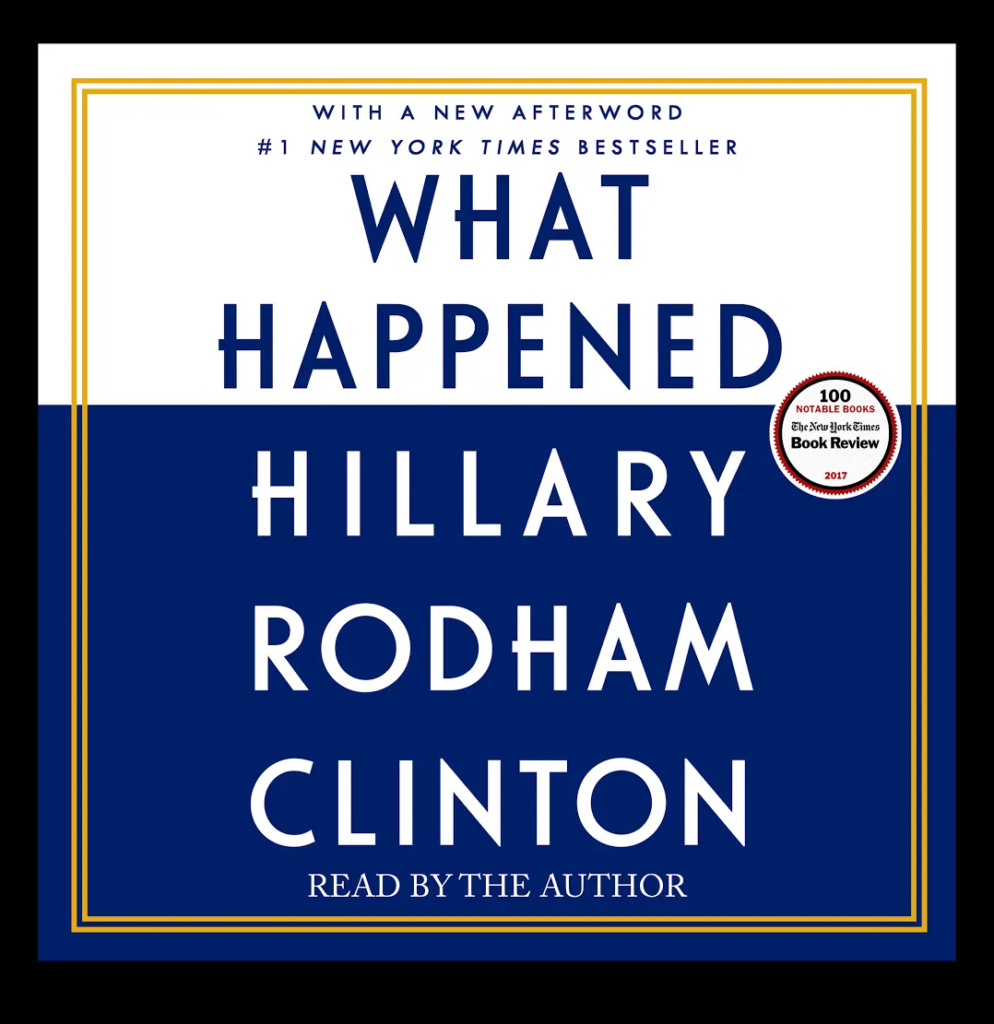
What Happened Hillary Clinton

Source: https://commons.wikimedia.org/wiki/File:What_Happened_audiobook_1.png

Let’s start here: It’s hard to write a book about your own failure. And that was Hillary Clinton’s task in What Happened. Silicon Valley and the business press are full of schlock extolling the virtues of failure, but that’s shit people write after they’ve succeeded. They look back at how they learned from failure. Lessons from the road, and other nonsense.

That’s not the kind of failure Hillary Clinton is writing about in What Happened. What Happened is like writing a book about that time you hit a home run in Game 7 of the World Series, but you got thrown out because you inexplicably forgot to touch first base on the way in. Then your team lost. And then you retired.

Al Gore made a movie after he lost the presidency, and he forged ahead with a new career in stopping climate change. I don’t see a tomorrow for Hillary Clinton’s political career, even on the scale of Al Gore. It’s all the day after November 8. The presidency was supposed to be it for her: the defining moment of the career of the first woman president.

So that’s the kind of failure she’s writing about in her book. I’m not a fan of Hillary Clinton’s politics. I didn’t caucus for her in the primaries or vote for her in the general election. And I’m not interested in revisiting that debate. I’ve said what I have to say on those issues.

But I do think it took some chutzpah for her to write about the election, especially so soon after it. What Happened is supposed to be the story of how that event…well, happened.

Continue reading

Why Did Fred Hubbell Lose?

The 2018 election went pretty well for Democrats in Iowa, as I predicted. They took 2 of 3 Republican House seats. They won seats in the state legislature. Not enough for a majority, but better than last election. Democrats also did pretty well nationally, as we know. But it didn’t go so well for Fred Hubbell.

Fred Hubbell lost.

Why did he lose?

Continue reading

College Students and Local Elections

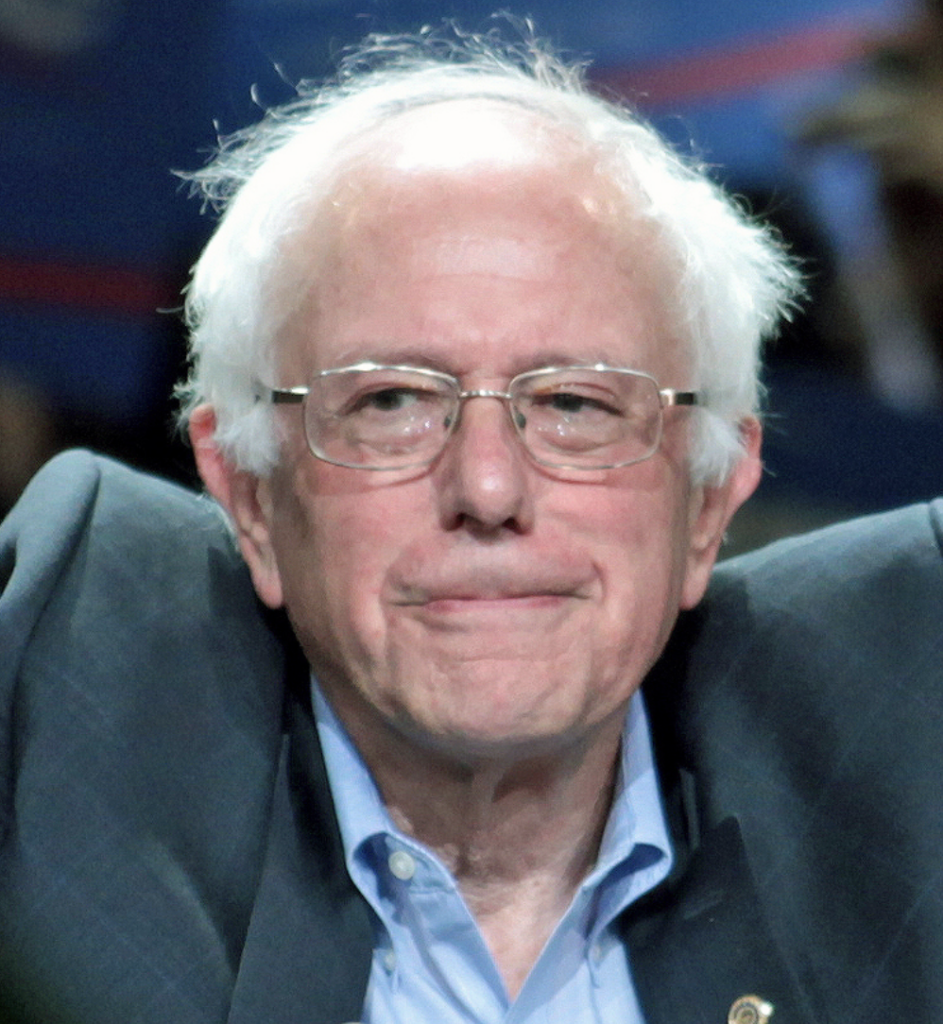
College students turned out in droves to vote for Bernie Sanders. Among voters under the age of 30, Sanders won about as many primary votes as Hillary Clinton, Donald Trump, and Ted Cruz combined.

‘Under 30’ and ‘college student’ aren’t the same group. Some college students are over 30, and many people under 30 aren’t college students. But there’s a lot of overlap. We also know that voters, as a group, have a higher socioeconomic status than non-voters. It stands to reason, then, that college students make up a healthy portion of the under 30 vote.

My own Iowa caucus site sits on a college campus. While the site covers both student and non-student neighborhoods, it overflowed with Sanders supporters. He won 77% to Clinton’s 23%. Nothing was more obvious than the age difference between the two camps. And, despite attempts to label Sanders a candidate for only white people, he carried the under 30 vote nationally across all racial groups.

Local elections are a different story. Turnout is low among basically all ages everywhere across the country. But it’s really low among young voters.

Given the facts about who votes, you’d expect turnout to be very low among young people who don’t go to college and relatively higher among those who do. And turnout is low among those who don’t go to college, in both national and local elections. College students, though, don’t behave quite as expected. They do often vote in national elections but don’t vote in local elections.

Why is that?

Continue reading

« Older posts Newer posts »