Base and Superstructure

Alienation, autonomy, and ideology

Page 28 of 135

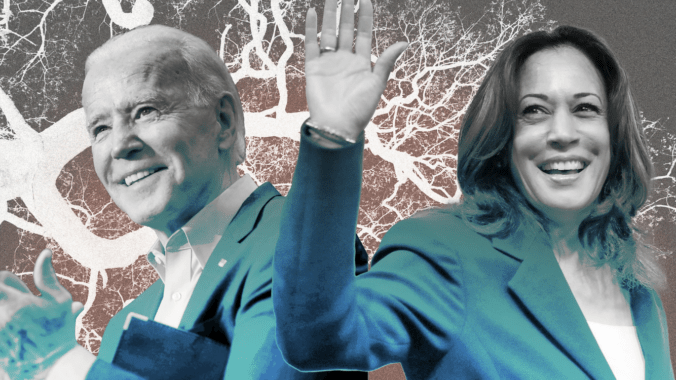
Identitarians Can’t Explain Harris

The tide turned hard against the Biden campaign about a week after the debate, around the July 4 holiday.  When it happened, my thoughts turned to an old debate at the heart of this blog.

Across many posts, I ask the question: what force drives society at its most fundamental level? At the ground, do we find a system of class relations and class conflict? Or do we find identities such as race and gender? Marxists argue for the former, while identitarians argue for the latter.

Joe Biden’s decision to step down in favor of Kamala Harris suggests, strongly, that it can’t be the latter. At the very least, it suggests the left-leaning version of identitarianism doesn’t work. And the far right version never made much sense, anyway.

Continue reading

The Conners and the Working Class

A few years ago, I had some thoughts on the working class politics of the returned TV show Roseanne. The gist of it is that I thought the show played Roseanne’s title character in a plausible way. Yes, they turned her from a fairly left-leaning working class woman into a Trump supporter. But they did so in a way that rang true to her character and the character’s likely development.

Fast forward a few years. Now I’ve had a chance to watch most of seasons 2 and 3 of The Conners, the updated version of the show after Roseanne herself got booted.

What do I see here?

Continue reading

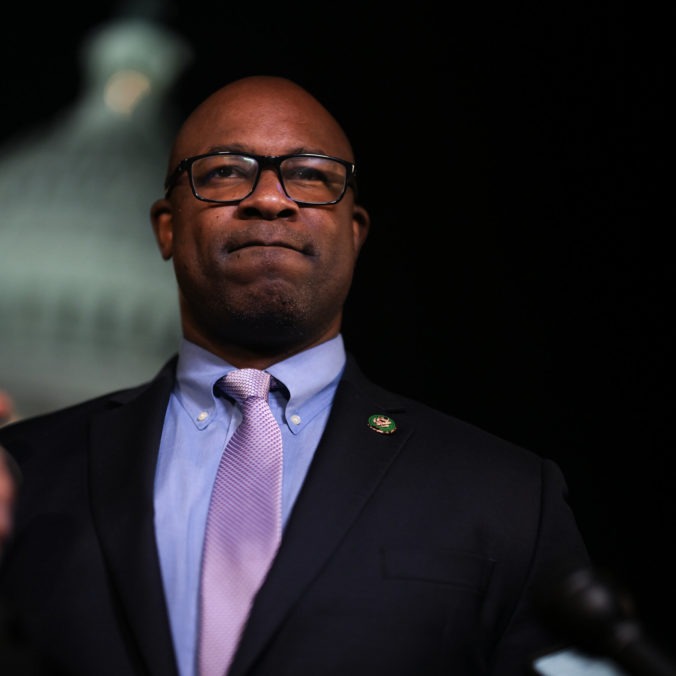
Jamaal Bowman and the DSA Electoral Project

Jamaal Bowman lost last week’s primary to moderate Democratic challenger George Latimer. Coverage of the loss – both in the mainstream press and on the left – focused on his shifting positions on Israel and Palestine.

That’s fair enough. Israel and Palestine turned out central both to the campaign and its funders, in light of the ongoing Israeli invasion of Gaza. But this leaves out a broader ideological struggle within the Democratic Party between a more moderate and a more progressive wing. Latimer might have run on foreign policy issues, but he’ll also join Congress as a voice against ideas like Medicare for All.

However, the struggle between Democratic moderates and progressives typically doesn’t involve foreign policy.

Indeed, that fact is highly relevant to internal struggles within the Squad and the Congressional Progressive Caucus. Most progressives don’t see foreign policy as central to their political project. They’re often willing to vote in favor of the foreign policy consensus on most issues, so long as those issues don’t involve U.S. troops literally on the ground. They give ground on foreign policy because it’s not central to their political vision. It’s not very important to them.

AIPAC exploited this very division in the ways it heavily poured funds into the Bowman vs. Latimer race.

But I’m getting a bit ahead of myself. Let’s start by talking about why Bowman lost. And then let’s ask what his loss means for DSA and the electoral left.

Continue reading
« Older posts Newer posts »